
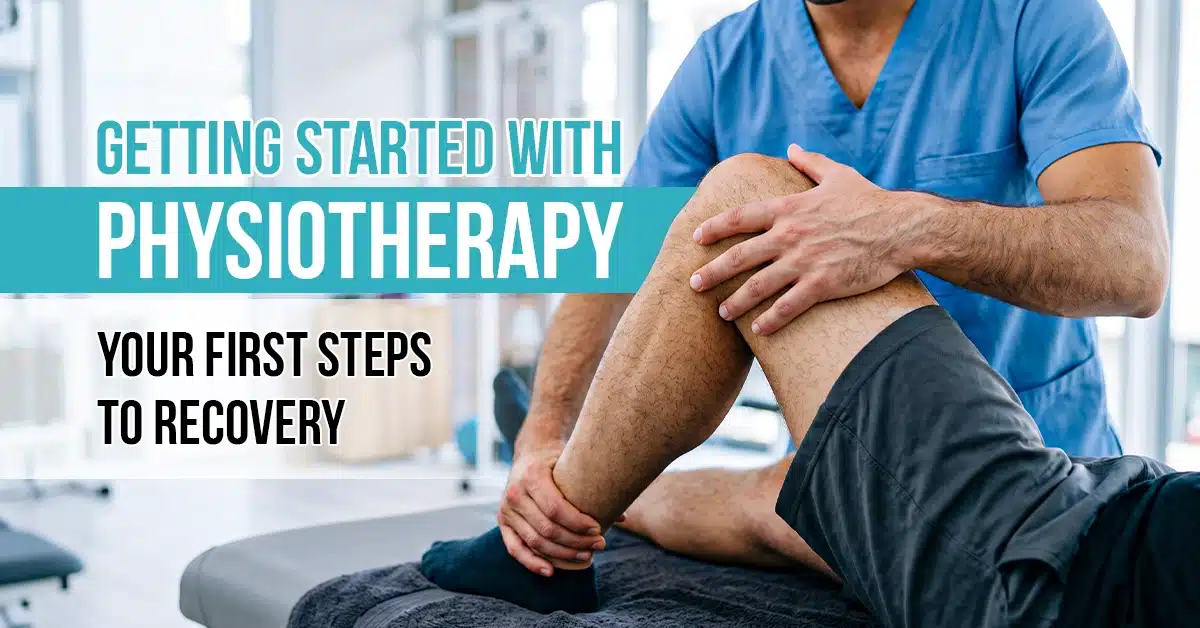
Getting started with physiotherapy raises a consistent set of questions—what happens at the first appointment, how quickly things improve, what to bring, whether it will hurt. These are practical questions that deserve practical answers rather than reassuring generalities.
This guide covers the full patient journey at Physio Village from first contact through to discharge, with specific attention to what beginning treatment involves, what onboarding looks like at both the Oakville and Brampton locations, and how the first physiotherapy appointment is structured clinically—including what makes the Physio Village approach different from a standard exercise-led programme.
What Physiotherapy Actually Is—and Isn’t
Physiotherapy is a regulated health profession in Ontario, governed by the College of Physiotherapists of Ontario. Registered physiotherapists assess and treat disorders of the musculoskeletal, neurological, and cardiorespiratory systems.
At Physio Village, physiotherapy is not primarily a supervised gym session. The foundational intervention is manual therapy—hands-on techniques applied by a registered physiotherapist to restore joint mobility, release soft tissue dysfunction, and reduce neurodynamic restriction. Exercise is the follow-through that builds on what the manual therapy creates. This distinction shapes what beginning treatment at Physio Village actually feels like.
The first few sessions are typically dominated by manual assessment and hands-on treatment. The exercise component builds progressively as tissue mobility improves and the nervous system becomes less sensitised to movement. Patients who understand this sequence tend to have more realistic expectations and better outcomes.
Before Your First Physiotherapy Appointment
Preparation for the first appointment involves three practical steps that collectively make the initial session more efficient.
Gather relevant documentation: imaging reports, specialist letters, a list of current medications, and your health insurance information. These don’t need to be present, but they improve the clinical efficiency of the intake considerably and reduce the time spent reconstructing history during the appointment.
Wear clothing that provides access to the area being assessed. For a lower back or hip presentation, loose pants or shorts are appropriate. For a shoulder or neck presentation, a t-shirt or sleeveless top allows full examination. Clinical gowning is available, but clothing that simplifies access avoids consuming session time on logistics.
Set aside 45 to 60 minutes for the first appointment. Subsequent sessions are typically 30 to 45 minutes, but the initial evaluation requires adequate time for a thorough assessment and, where the clinical picture allows, a first treatment.
Read Also: Ultimate Guide: What to Expect on Your First Visit to PhysioVillage
The Patient Journey at Physio Village
The patient journey follows a clear sequence from first contact through to discharge—and understanding each phase helps patients set accurate expectations about both timelines and progress.
Initial contact and booking: Appointments are booked online through the Oakville or Brampton patient portal, or by phone. A pre-appointment intake form provides the clinician with background information that allows the assessment time to be used efficiently.
Initial assessment: The first appointment establishes the clinical diagnosis and forms the basis of the treatment plan. As covered in the companion article on the physiotherapy assessment, this session is the most information-dense appointment in the entire course of treatment.
Early treatment phase: The first four to six sessions prioritise manual therapy—joint mobilisation, soft tissue release, and neurodynamic techniques—to establish the mechanical conditions in which exercise becomes effective. Home exercises during this phase are carefully selected to reinforce the manual work without loading the restriction that is still being treated.
Stabilisation phase: As mobility and pain improve, the programme transitions toward active rehabilitation. The exercise component expands, the manual therapy component shifts from primary intervention to reinforcement, and self-management capacity is built progressively. Patients at this stage are increasingly managing their own recovery between sessions.
Return to function: The final phase targets full return to work, sport, or daily activities. Discharge planning begins here—establishing the exercises and self-care strategies that maintain the clinical gains made in treatment after the formal course ends.
Beginning Treatment: What the First Sessions Feel Like
Starting therapy involves a hands-on clinical examination that patients sometimes find unexpected. The clinician applies manual pressure to joint and soft tissue structures to identify restrictions and reproduce symptoms in a controlled, diagnostic context. Brief local soreness following the first few sessions of manual therapy is normal and reflects appropriate tissue response to treatment.
Post-treatment response is clinically informative. Patients are asked to monitor their symptoms in the 24 hours following each session—whether symptoms improved, worsened transiently, or were unchanged—and to report this at the start of the next session. This information shapes the progression of treatment from session to session.
Most patients notice a change in their symptoms within the first two to three sessions of manual therapy. The change is not always complete resolution—often it is a shift in pain quality, location, or movement restriction. This early shift is a positive clinical indicator that the treatment is engaging the relevant structures.
Onboarding at Oakville and Brampton
Both Physio Village locations follow the same clinical standards. The onboarding process—intake, assessment, and early treatment—is structurally identical regardless of which location you attend.
The Oakville clinic serves patients from Oakville and the surrounding communities including Burlington, Mississauga West, and the broader Halton region. The Brampton clinic serves the Peel region and the surrounding neighbourhoods of Mississauga, Caledon, and Georgetown.
Patients who need to use both locations for scheduling reasons have the same clinical record accessible at each site, ensuring continuity of care across the treatment course.
How Long Does Physiotherapy Take?
Acute presentations—injuries of less than six weeks’ duration with no prior chronic history—typically respond within six to eight sessions with consistent attendance and home exercise compliance.
Subacute and chronic conditions require longer courses. A presentation that has been symptomatic for six months involves established nervous system sensitisation and tissue adaptation patterns that take longer to reverse. This is not a reason to delay starting—it is a reason to start sooner rather than waiting for spontaneous resolution.
Athletes and physically active patients with high functional demands may require additional sessions beyond pain resolution to reach the full sport-specific return-to-function standard. The endpoint of treatment is defined by the patient’s goals, not by pain alone.
Frequently Asked Questions
Q: Do I need a doctor’s referral to start physiotherapy at Physio Village?
No. Physiotherapy in Ontario is a direct-access profession. You can book your first appointment without a referral. A referral may be required for extended health insurance reimbursement, depending on your specific plan—check with your insurer before your appointment if this is relevant.
Q: Will physiotherapy hurt?
The initial assessment may briefly reproduce your symptoms during functional testing—this is a diagnostic requirement, not a sign of harm. Manual therapy itself is typically comfortable, though mild local soreness following the first few sessions is normal and usually resolves within 24 hours.
Q: How quickly will I notice a difference?
Most patients notice a change within the first two to three sessions of manual therapy. The change may be subtle initially—a small shift in range of motion, a reduction in morning stiffness, a reduction in the frequency of sharp pain—and builds progressively from there.
Q: How often do I need to attend?
During the early treatment phase, twice weekly is the typical recommendation to maintain clinical momentum between sessions. As the programme progresses toward the stabilisation phase, frequency reduces to once weekly and eventually to a discharge or maintenance schedule.
Q: Can I attend sessions at both the Oakville and Brampton locations?
Yes. Patients can attend either location based on scheduling and geography. Clinical records are accessible at both sites, maintaining continuity of care regardless of which location is used for any given session.
Q: What happens if I have to miss sessions?
Consistency significantly affects outcomes in physiotherapy—missed sessions extend the overall course of treatment and can allow compensatory patterns to re-establish. Where attendance gaps are unavoidable, the clinician adjusts the home exercise programme to maintain progress between sessions.
The 2-Minute Self-Assessment: Readiness Inventory
Before your first appointment, write down specific answers to three questions:
- How long have your symptoms been present—days, weeks, or months?
- Which specific daily activities are affected, and by how much?
- What has changed about your movement, strength, or function since symptoms began?
These three questions form the core of what the clinician needs to establish treatment priorities during the patient intake. Specific answers—rather than “my back hurts”—allow the first physiotherapy appointment to be clinically productive from the opening minutes.
Key Takeaways
- Getting started with physiotherapy at Physio Village involves a structured patient journey from initial assessment through to discharge, with clear clinical milestones at each phase
- The first physiotherapy appointment prioritises assessment over exercise—manual therapy establishes the clinical findings that drive all subsequent treatment decisions
- Both Oakville and Brampton locations follow identical clinical standards with shared patient record access
- Acute presentations typically respond within six to eight sessions; chronic and complex presentations require longer, phased programmes
- Preparation—gathered documentation, appropriate clothing, specific symptom observations—makes the initial assessment more efficient and clinically accurate
The 2-Minute Check: Complete the readiness inventory above before booking. Specific answers to those three questions give your clinician a significant head start at the initial assessment.
Book Your Assessment: Book at Physio Village Oakville Book at Physio Village Brampton